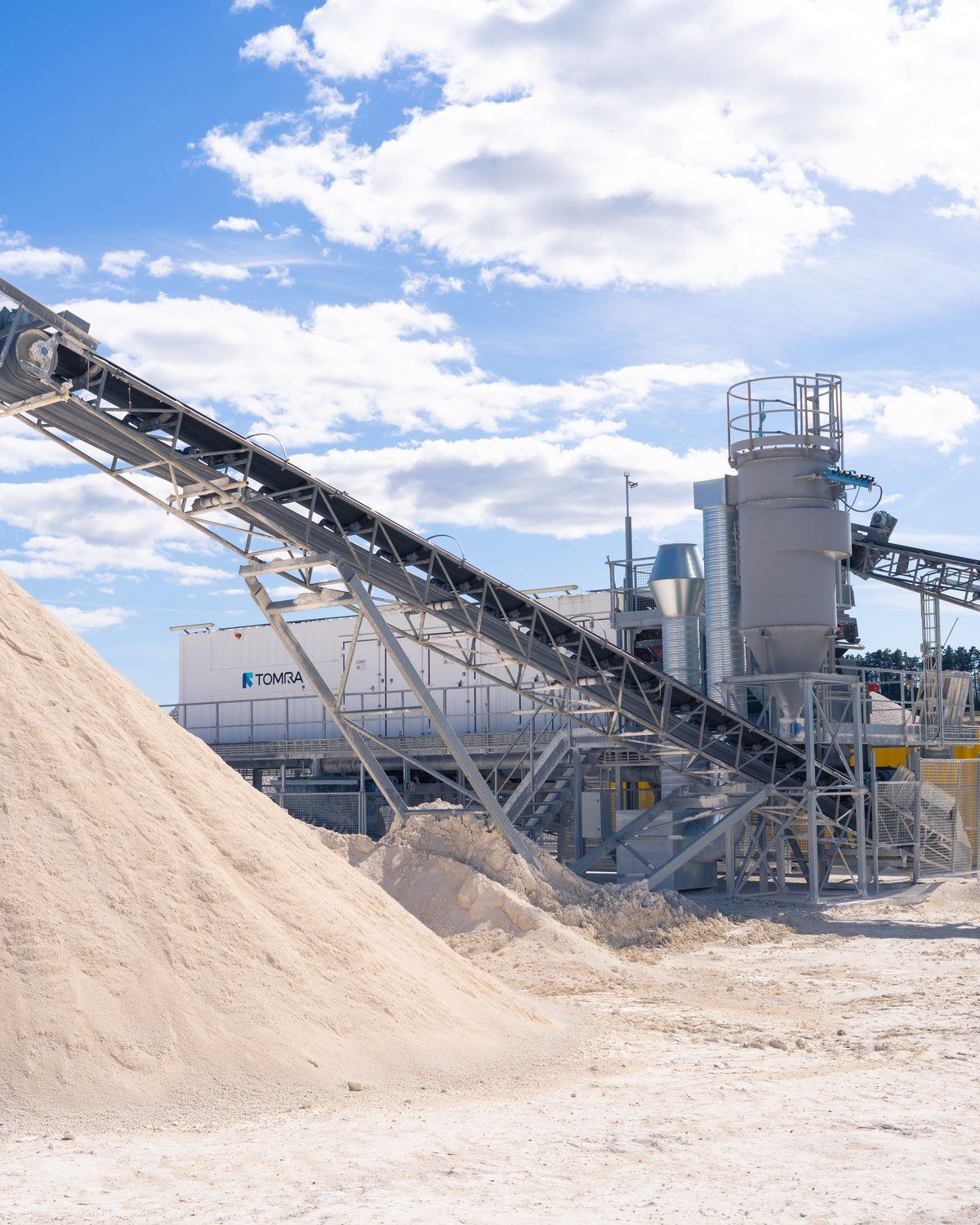
Mining & mineralsProduction, plant maintenance, consumables and cost per ton
We do not sell a product. We build the system your operation needs, around the way your people already work, then run it and keep improving it. Here is the range of what that covers.
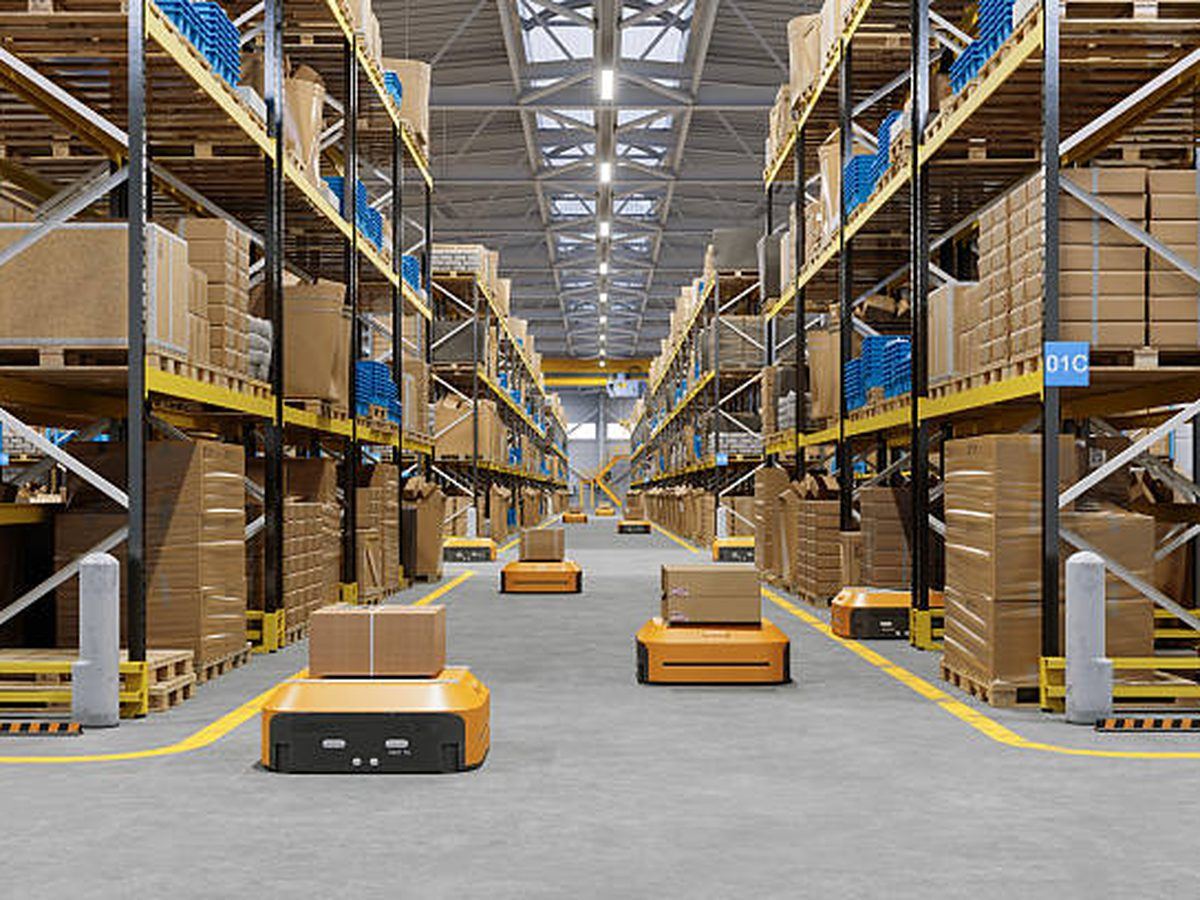
One connected system covering operations, assets, stock, purchasing, people and cost. The part that matters is underneath: each area reads what the others wrote, so a figure entered once is never entered again and the numbers cannot drift apart.
Every machine with its history, expected life, service intervals and the cost of keeping it running. Service falls due by date or by use, whichever comes first.
A live figure per site, reorder points that raise a request by themselves, and a purchase workflow that only moves one way.
Crew, shifts, attendance and rates, with personal information restricted to the people who genuinely need it.
Every change recorded with who, when, the old value, the new value and why, written at the same moment as the change itself.
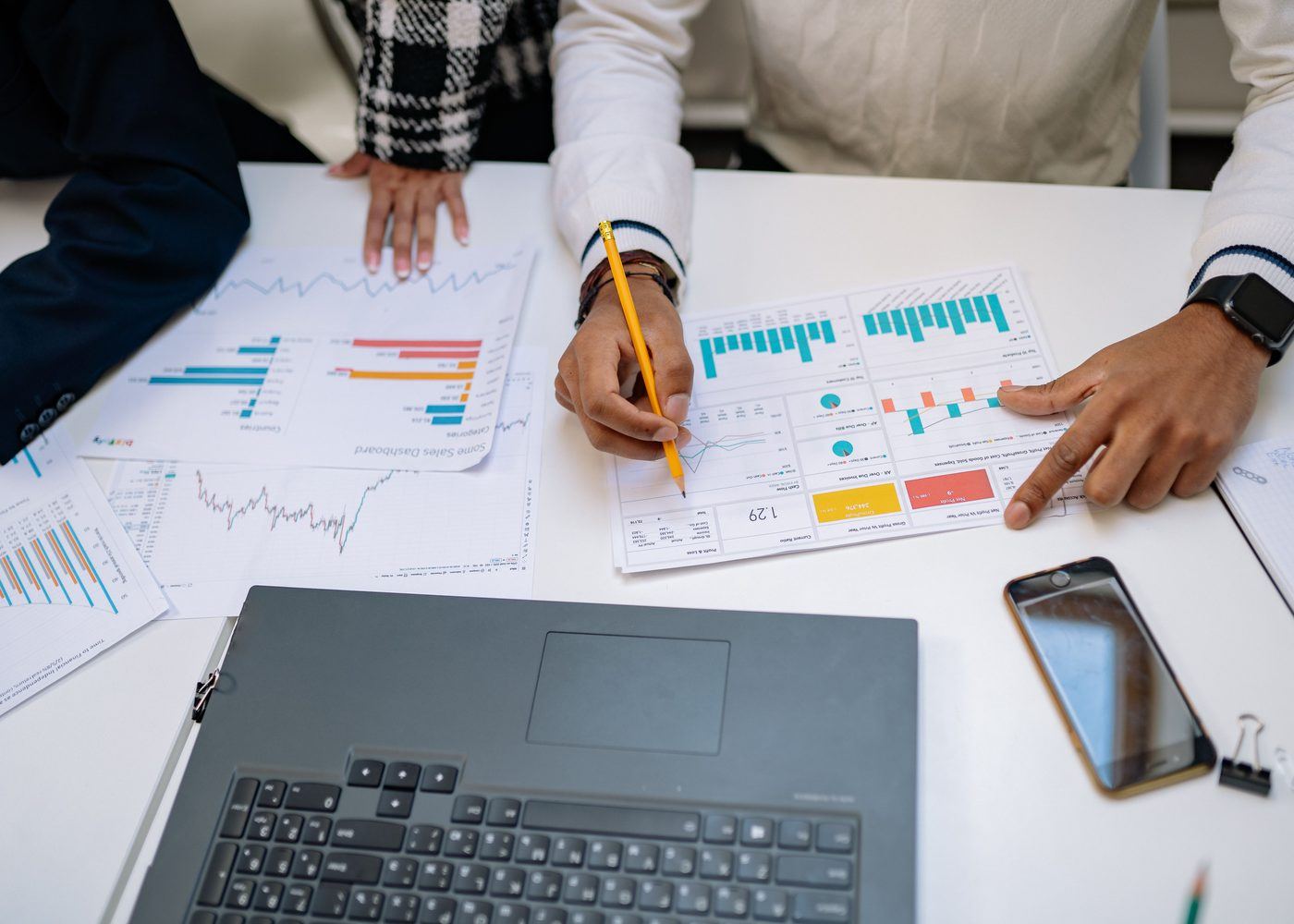
The figures a business is actually run on, produced from captured records rather than assembled by hand. Fixed and variable costs kept apart, so a rise can be explained rather than only noticed.
Cost per ton, per load, per unit or per job, per site, per period. The number the business is steered by.
Operations measured against each other on the same basis, restricted to the people entitled to see across them.
Stoppages grouped by cause, largest first, which is only possible because the cause is chosen rather than typed.
A report built from the figures beneath it, including the written summary, downloadable for sending on.
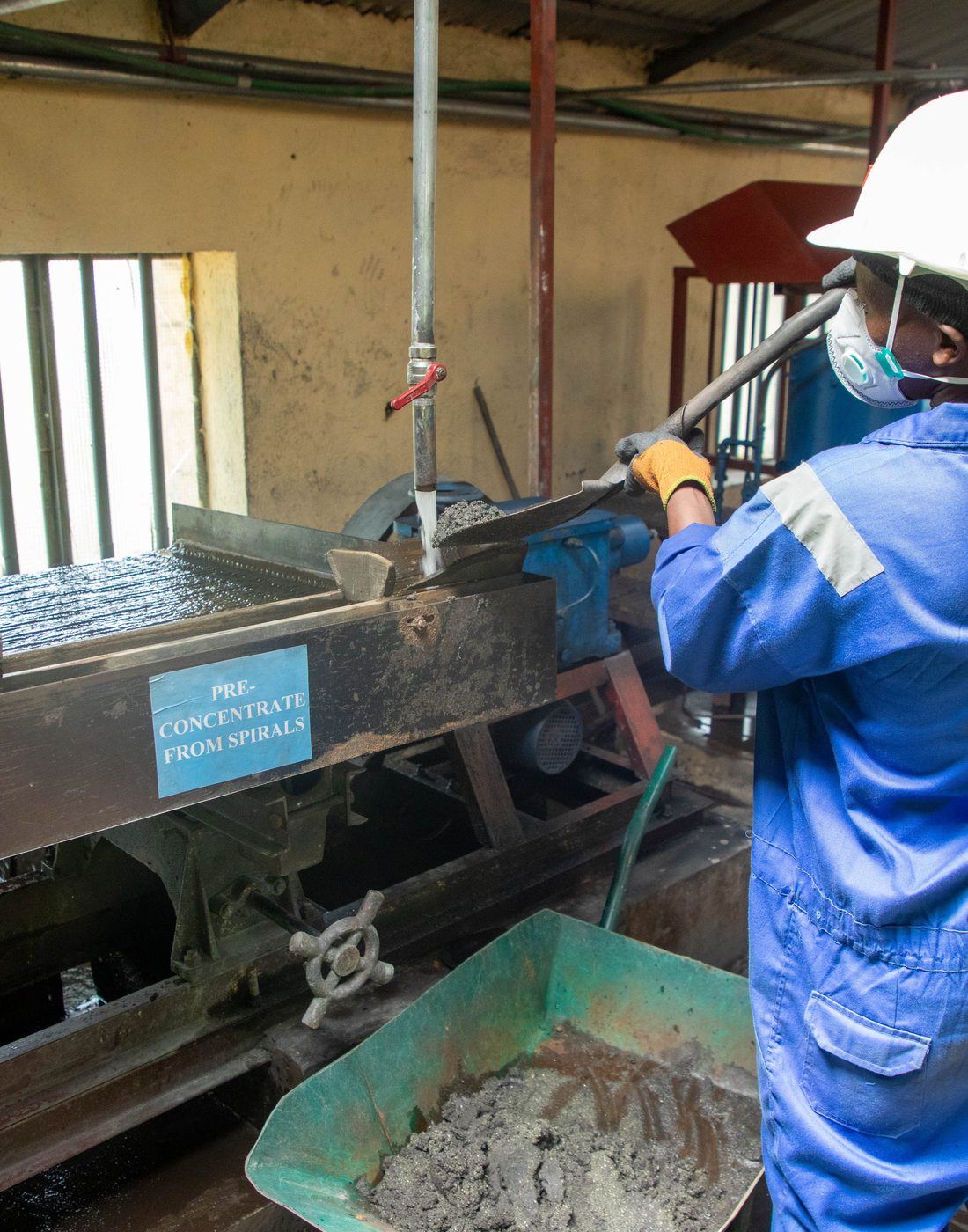
Built for a person in gloves, outdoors, who has forty seconds and no interest in software. If it is slower than the paper slip it replaces, it will not be used, and everything downstream of it is then worthless.
Preset choices instead of typing, a photograph instead of a paragraph, and a confirmation the person can actually see.
An application with its own icon rather than a web address somebody has to remember and type at six in the morning.
Honest behaviour when the signal is gone, and work held safely rather than lost to a spinning wheel.
Checked for contrast, target size and screen reader behaviour, because a plant in bright sun is a hostile place for a screen.
The parts of a business that face outward, and the joins between the systems you already run. Done properly, a figure moves between them instead of being retyped at every boundary.
A controlled view of the figures you choose to share, which turns a reporting obligation into a commercial advantage.
Customer facing flows that write straight into the same record your operations team reads.
Interfaces into the systems you already pay for, so the finance team stops rekeying what operations captured.
Not a brochure built from a template. A site that is part of how the business runs, connected to the systems behind it.
Whether it is tons through a plant, pallets through a warehouse or loads on a road, somebody eventually asks what it cost, what it earned, and whether you can prove it.
Not optional extras, and not line items we add once you are committed. These are in every system we put our name on.
Permissions enforced in the data layer rather than by hiding a button, so a refusal holds whichever way a record is reached.
Who changed what, when, and why. Written in the same step as the change so it cannot be quietly edited afterwards.
Two people on the same record do not overwrite each other. The second save is refused and shown what it is about to replace.
Tests that run before any change is allowed in, so a fix in one place cannot quietly break something in another.
Written so the system can be carried forward by somebody who was not in the room when it was built.
Delivered to the people who will use it daily, in their language, on their data, not a slide deck for management.
Most clients arrive with a frustration rather than a specification. That is a perfectly good place to start, and working out the shape of it is the first thing we do together.